
The Quince, the Fruit That Filled Homes with Fragrance in Autumn
 Foodies on Menorca
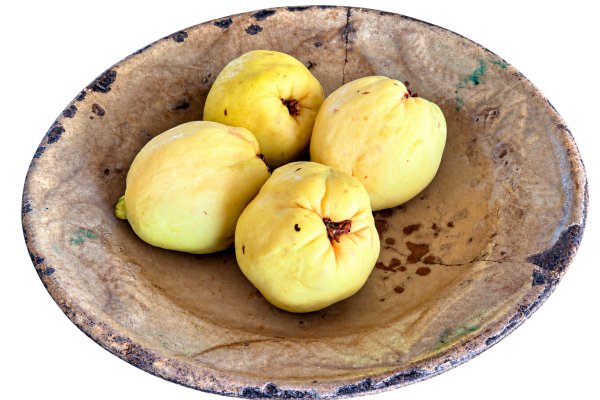 Foto: Bep Al·lès©
Bep Al·lès/Ciutadella - Some fruits arrive each year with a particular season, while others also carry with them a scent, a memory and an old way of life. The quince is one of these. For generations, when October arrived, the quince trees growing in the courtyards, orchards and rural farmsteads of Menorca began to bear a fruit that was astringent when raw, but extraordinarily aromatic once cooked.
In Menorca, two traditional types have been known as codony and codonya. The former generally produces medium-sized, irregular fruit with more pronounced wrinkles, while the latter bears larger, smoother fruit that is easier to peel. Once harvested, quinces can be kept for several weeks, which in the past allowed families to make gradual use of them throughout the autumn.
But if there is one preparation that defines the quince in our cuisine, it is codonyat, the traditional firm quince paste. October was the time to prepare supplies and store them in the pantry for the following months. This quince paste would later be used to fill traditional Menorcan pastissets and the old-fashioned pastís de conserva, but it would also appear on the table at Christmas, New Year's Day and Sant Antoni, and even become part of panellets or cuscussó.
Quince paste, however, also had a much more everyday role. A slice of bread, a piece of mature Menorcan cheese and a portion of quince paste or figat, a traditional sweet fig preserve, made a simple and nourishing snack, both in the countryside and in the towns. It is a combination that still makes perfect sense today, as the sweetness of the quince contrasts beautifully with the salty, intense character of aged cheeses.
Quinces were also used to prepare jellies and jams, sometimes combined with apples, another example of how home cooking knew how to make the most of every harvest. These preparations, stored in jars, helped preserve the fruit and brought variety to snacks and desserts.
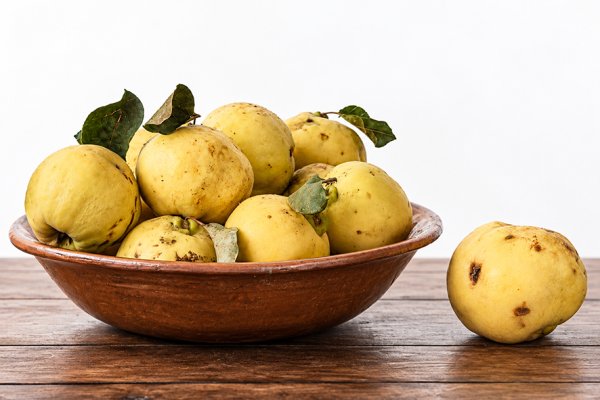 Foto: Pau Gener Torres
Quinces were also cooked directly in the oven. Cut in half, with the core removed and sprinkled with a little sugar and cinnamon, they required slow cooking that filled the kitchen with a deep, sweet fragrance. Another traditional preparation involved finishing them with Muscat wine or sweet wine, creating a humble, simple and highly aromatic dessert.
Beyond desserts, the quince also reminds us of a cuisine based on preservation and making full use of available ingredients. Preparing quince paste made it possible to preserve a seasonal fruit for months and to have a filling ready for pastries and festive specialities. It was a practical way of organising the pantry while preserving the flavours of autumn long after the cold weather had arrived.
Today, quinces have lost much of the presence they once enjoyed in our pantries. Bringing them back, however, means returning to seasonal cooking, making the most of what nature provides and taking time over traditional preparations. It means remembering those autumn days when a pot of quince paste or a baking tray in the oven was enough to fill the entire house with fragrance and announce that winter was not far away.


Latest posts

- Publicitat

-
Publicitat



Sitemap
Cookies policy
Cookie settings
Legal notice
Privacy policy
 © Copyright 2018 - 2026