
The 18th Century, the Great Revolution in Menorcan Cuisine
 Foodies on Menorca
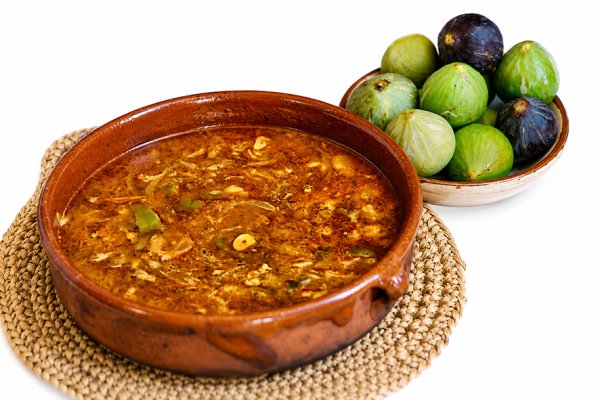
Bep Al·lès/Ciutadella - When we think of the 18th century in Menorca, we tend to recall the periods of British, French and Spanish rule, the political changes and an island more open than ever to European influences. But that century also represented a genuine gastronomic revolution, laying the foundations for a significant part of the Menorcan cuisine we know today.
The gradual introduction of products arriving from the Americas transformed recipes and cooking methods. Tomatoes, peppers, potatoes, cocoa, prickly pears, turkeys, beans and pumpkins became part of a diet that had previously been based on older Mediterranean ingredients. The traditional sautéed base of garlic and onion began to be enriched with tomatoes and peppers, a fundamental development in understanding dishes that we now fully identify with our cuisine, from oliaigua with tomatoes to fish stews, rice dishes and other traditional stews.
The 18th century is also a particularly well-documented period. The writings of the Scottish physician George Cleghorn, the military officer John Armstrong, the Frenchman Passerat de la Chapelle, the German clergyman Christoph Friedrich Lindemann and José Vargas Ponce allow us to gain an understanding of what both the working classes and well-to-do families ate.
Armstrong describes the Menorcans as a frugal population, consuming little meat, plenty of vegetables and large quantities of bread. Bread was an essential food, to the extent that Lindemann notes that purchasing it represented one of the main expenses for families. Boiled stews also occupied a central place: the cooking pot was placed over the fire early in the morning and provided one of the most common dishes in the everyday diet.
Documents from the period also mention chickpeas, lentils, garlic, onions, leeks and an extraordinary variety of vegetables. Foreign visitors particularly praised the quality of Menorcan cauliflowers, cabbages, spinach, celery, endives and other vegetables. Capers preserved in vinegar and salt were also consumed, a practice that has survived to the present day.
One of the major changes was the arrival of the potato. Lindemann recorded its introduction into a Europe that was beginning to incorporate this tuber into its diet on a massive scale. In Menorca, it would eventually become an indispensable ingredient in both rural and seafaring cuisine.
The 18th century, therefore, was not merely a century of conquests and reconquests. It was also the period when Menorcan cuisine began to adopt new ingredients, techniques and influences, consolidating that combination of local produce, frugality and adaptability that remains part of our gastronomic identity today.


Latest posts
-
 Read more
Foodies on Menorca prepares a 2027 gastronomic calendar dedicated to Menorcan baking
Read more27/09/2026Foodies on Menorca
-
 Read more
Strawberry tree fruits with honey and fresh whey curd, an old autumn dessert worth reviving
Read more23/09/2026Foodies on Menorca
-
 Read more
-
 Read more
- Publicitat

-
Publicitat



Sitemap
Cookies policy
Cookie settings
Legal notice
Privacy policy
 © Copyright 2018 - 2026