
Raoles, an Ancient Culinary Tradition That Still Endures
 Foodies on Menorca
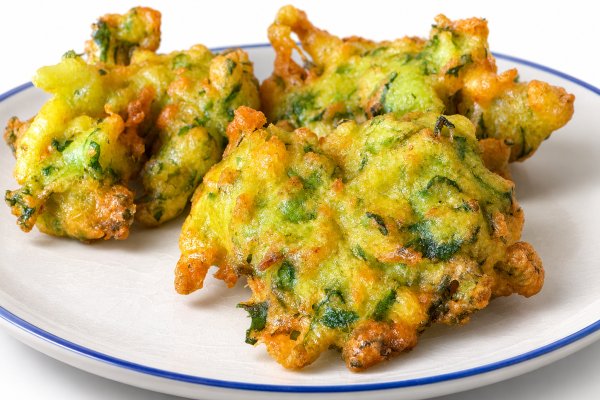
Bep Al·lès/Ciutadella - Raoles belong to that group of traditional dishes which, despite changing customs and tastes, have managed to survive to the present day. In Menorca, they are also known, particularly in the eastern part of the island, as coquetes, while old recipe books refer to them by names such as "ravoles" or "roroles". They are deeply rooted in the island's cuisine, with versions made from meat, fish, vegetables, pulses, eggs or potatoes, although among the most characteristic are those prepared with endívia, the Menorcan name for curly endive or escarole.
The gastronomic writer Jaume Fàbrega defines them as a medieval preparation with an Arabic name and origin: a mixture made from minced meat, fish, eggs, vegetables, pulses or other ingredients, bound together with milk or another liquid and then fried. These medieval roots help explain why raoles bear clear similarities to other Mediterranean and Eastern preparations, from falafel to certain types of croquettes or meatballs.
Their long history is reflected in recipe books such as the fifteenth-century "Llibre del Coch", by Mestre Robert de Nola, where they already appear under the name "roroles" and are shaped using spoons. In Menorca, one of the most important references dates from the eighteenth century, in "Art de la Cuina", by Fra Francesc Roger, who devotes a section to different ways of preparing meatballs and ravoles. Among them are mutton ravoles, made with very finely chopped lamb, saffron, cloves, mint and parsley. Once fried, Fra Roger instructs that they should be served seasoned with honey, sugar and cinnamon.
This taste for combining sweet and savoury flavours was still very much alive in Menorca at the beginning of the twentieth century. Pere Ballester, in "De recibaria", records numerous variations, some also taken from "Sa Cuynera Menorquina": raoles made with salt cod, whitebait, fish, sea anemones, eggs, lamb's feet and lungs, spinach, boiled meat, potatoes, chickpeas, cauliflower or calf's foot. Ballester even explains that many of these raoles were eaten sprinkled with sugar, including those made with potatoes, chickpeas, cauliflower and even salt cod.
This diversity demonstrates the extent to which raoles were also part of a tradition of resourceful, waste-conscious cooking. In times of scarcity, leftovers from boiled meat dishes or other foods could be transformed into a new preparation, avoiding waste and giving available ingredients a second life.
The method of frying them also varied. Some were prepared with olive oil, others with butter or a mixture of both fats, while older recipes even used pork lard. All of this reveals a culinary tradition far more diverse than we often imagine.
Over the years, particularly from the middle of the twentieth century onwards, the custom of sprinkling them with sugar after frying gradually disappeared. However, the basic recipe has endured. Raoles continue to tell the story of an ancient Menorcan cuisine that is practical and open to outside influences, capable of transforming simple ingredients into a dish with its own distinctive identity.
Ultimately, they are a perfect example of a deeply rooted culinary tradition that preserves memory, resourcefulness and flavour. A recipe that has changed over time, yet continues to demonstrate that gastronomic tradition remains alive precisely because it can evolve without losing its origins.


Latest posts
-
 Read more
Pig slaughtering, a tradition that fed Menorcan families throughout the winter
Read more06/11/2026Foodies on Menorca
-
 Read more
The Quince, the Fruit That Filled Homes with Fragrance in Autumn
Read more28/10/2026Foodies on Menorca
-
 Read more
-
 Read more
- Publicitat

-
Publicitat



Sitemap
Cookies policy
Cookie settings
Legal notice
Privacy policy
 © Copyright 2018 - 2026