
The Pomegranate, Between Cuisine and Memory
 Foodies on Menorca
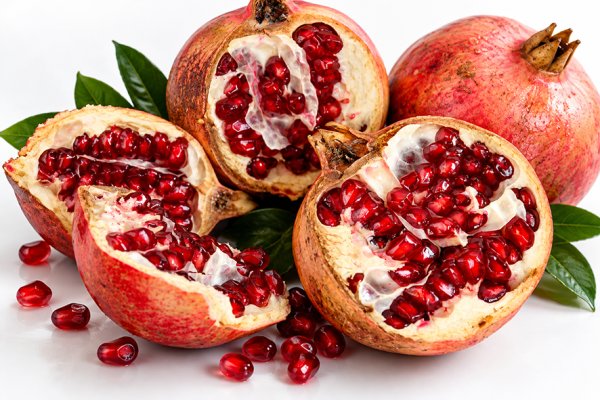
Bep Al·lès/Ciutadella - October and November are the months of pomegranates, persimmons, service tree berries, medlars and quinces, fruits that for generations have marked the arrival of autumn in Menorcan homes. Among them all, however, the pomegranate holds a special place, both for its presence in the kitchen and for the symbolic significance it has acquired over the centuries.
The fruit of the pomegranate tree, Punica granatum, belongs to a species of Mediterranean and Asian origin that has adapted perfectly to Menorca. It is resistant to drought and, in the past, it was common to find a pomegranate tree in the courtyards, vegetable gardens and enclosed fields of many homes. The island has both sweet and sour varieties, each with very different uses, and for a long time it was one of those fruits that formed a natural part of the Menorcan domestic landscape.
In the kitchen, sweet pomegranates have primarily been eaten as a dessert fruit. Their deep red seeds have been enjoyed on their own, with sugar, with sweet wine or Muscat wine, or added to fruit salads. They also pair well with fresh cheeses, yoghurts and sweet preparations. It was a simple way of making use of a seasonal product, without the need for elaborate preparation, allowing the fruit itself to take centre stage.
More distinctive is the use of sour pomegranates. In the past, they were used to prepare a thick sauce or reduced syrup known as arrop, reserved for important dishes, particularly roast suckling pig, capons, hens or turkey. Sour pomegranate sauce was typical of celebrations, closely associated with Christmas and New Year's Day, and provides a fine example of traditional Menorcan cuisine, which knew how to combine sweetness, acidity and roasted meats. It is a preparation that has now almost disappeared from home kitchens and deserves to be revived.
Pomegranate juice is not a modern trend either. In the 18th century, the German clergyman Christoph Friedrich Lindemann already recorded that Menorcans were fond of drinking it, both for its refreshing character and for the properties attributed to it at the time. This reference shows just how deeply the fruit was integrated into the island's everyday diet.
But the pomegranate goes far beyond the kitchen. Throughout history, it has symbolised fertility, power, life, death and spirituality. It has appeared in Jewish, Christian, Greek, Egyptian and Muslim traditions, always associated with the abundance of its seeds and the crown-like shape of the fruit.
In Menorca, there was even a belief that, when eating a pomegranate, each seed consumed helped save a soul from purgatory. Yet another example of how food, popular religious beliefs and superstition often went hand in hand.
It is also a fruit that speaks of seasonality. Its presence in kitchens coincided with the first cool days, the changing rhythm of agricultural life and the arrival of autumn produce, linking food, landscape and Menorca's natural calendar.
Today, as we find ourselves immersed in the primavera d'hivern, the traditional Menorcan name for autumn, bringing the pomegranate back to our tables also means recovering part of our gastronomic culture. A humble, almost domestic fruit that reminds us that traditional cuisine is also shaped by the seasons, the landscape, beliefs and memory.


Latest posts
-
 Read more
-
 Read more
-
 Read more
September Farming Traditions: Saint Michael Potatoes and Saint Nicholas Bread Rolls
Read more29/09/2026Foodies on Menorca
-
 Read more
Figs and Quinces: Traditional Farming Wisdom at the End of Summer
Read more28/09/2026Foodies on Menorca
- Publicitat

-
Publicitat



Sitemap
Cookies policy
Cookie settings
Legal notice
Privacy policy
 © Copyright 2018 - 2026