
Sephardic Cuisine in Menorca: Preparations
 Foodies on Menorca

Bep Al·lès/Ciutadella - Lamb-filled formatjades are perhaps the most characteristic dish that the Sephardim left us on our island, as well as in Mallorca. In Jewish cuisine, the dough was made with flour, water and olive oil, and under no circumstances were pork fat or pieces of bacon or sobrassada added to the dough, as is done today—ingredients which, after conversion, served as proof that they were now Christians. Yeast was also not used in the dough.
In Menorca we find cheese formatjades, known by this name in Ciutadella and as flaons in the rest of the island, which may have their antecedent in borrekas, made with fresh cheese and slowly baked in the oven. Formatjades or crespellsfilled with brossat (fresh whey cheese) also have Jewish origins.
All preparations made with almond paste, marzipan, are of Sephardic origin. From rotllos to panellets, including glazed pastries or pastarral, amargos, and possibly also the almond tortada, which we often attribute to Arab roots—although we must bear in mind that during the Muslim period in Menorca, Arabs, Jews and a small number of Christians lived together.
Another legacy of Jewish or Sephardic cuisine is orellanes or oranes, known throughout Spain; for example, in Galicia they are called “orejas de fraile” and are eaten during Carnival, while in Castile they are known as ojuelas and are also eaten with honey, the well-known “honey over hojuelas”.
Orellanes or oranes have their origin in the festival of Purim, a celebration not instituted by God, but by the Jews themselves to commemorate their victory over Haman or Ammàm. For this reason, this sweet, eaten drizzled with honey, is also known as Haman’s ear.


Latest posts
-
 Read more
-
 Read more
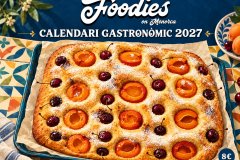
Foodies on Menorca prepares a 2027 gastronomic calendar dedicated to Menorcan baking
Read more27/09/2026Foodies on Menorca
-
 Read more
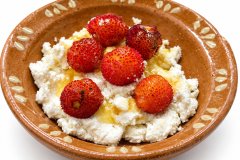
Strawberry tree fruits with honey and fresh whey curd, an old autumn dessert worth reviving
Read more23/09/2026Foodies on Menorca
-
 Read more
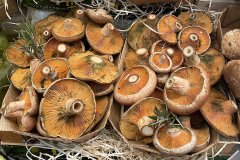
Menorca’s Autumn: Mushrooms, Quinces and Comforting Spoon Dishes
Read more18/09/2026Foodies on Menorca
- Publicitat

-
Publicitat



Sitemap
Cookies policy
Cookie settings
Legal notice
Privacy policy
 © Copyright 2018 - 2026