
From Samhain to All Saints’ Day: from Celtic bonfires to buñuelos with arrop and our traditional panellets
 Foodies on Menorca

When the end of October arrives and the wind begins to blow with that hint of winter, Menorca shifts its rhythm. The streets fill with the scents of the oven, domestic warmth, and memories of bygone times. It is All Saints’ Day, one of the most deeply rooted celebrations in our calendar, and although it now coexists with the modern image of Halloween, its roots reach much further back, into ancient European traditions such as the Celtic Samhain.
Samhain marked the end of the harvest and the beginning of the dark season of the year. It was a moment of transition, of cycle-changing, when —according to belief— the veil between the world of the living and the world of the dead grew thinner, allowing spirits to visit their families. Bonfires and feasts served as rituals to honour the ancestors and to prepare for the cold and the darkness that were on their way. Over the centuries, Christianity adapted these celebrations and gave them new meaning: All Saints’ Day and All Souls’ Day, on the first and second of November, as days to remember the dead with prayer and serenity.
In Ciutadella and throughout the island, these dates have always held an intimate, family-centred character. Even today, many families visit the cemetery, bring flowers, and spend some time in remembrance. But it was also —and still is— a time to gather in the kitchen, to prepare those dishes that appear only once a year and carry with them the flavour of ancestral memory.

Buñuelos with prickly pear arrop, sweet and aromatic, are heirs to those autumn offerings that combined the fruit of the land with the warmth of oil and fire. Panellets, originating in Catalonia but perfectly integrated into our tables, share the same spirit of communion and celebration. And we must not forget the panets de mort, now almost vanished, which were once offered in memory of the departed, nor the honey with butter, that simple sweetness that evokes another era.
Perhaps, behind the costumes and pumpkins that have arrived from abroad with Halloween, there still lingers, hidden yet alive, the same essence of that ancient Samhain: the human need to pause, look back, remember those who are no longer here, and light —even symbolically— a small flame in the darkness that heralds winter.


Latest posts
-
 Read more
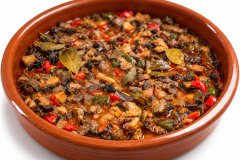
Traditional Offal Fry (Freixura or Freixurat), a Culinary Heritage Looking to the Future
Read more22/11/2026Foodies on Menorca
-
 Read more
-
 Read more
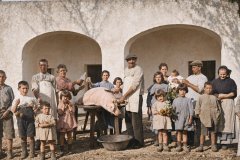
Pig slaughtering, a tradition that fed Menorcan families throughout the winter
Read more06/11/2026Foodies on Menorca
-
 Read more
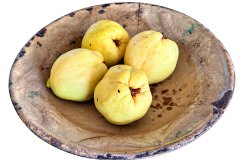
The Quince, the Fruit That Filled Homes with Fragrance in Autumn
Read more28/10/2026Foodies on Menorca
- Publicitat

-
Publicitat



Sitemap
Cookies policy
Cookie settings
Legal notice
Privacy policy
 © Copyright 2018 - 2026