
The Cuisine of the Reconquest in Menorca (& II)
 Foodies on Menorca

Bep Al·lès/Ciutadella – It is very common to boil the food first and then roast it, or cook it with different vegetables, sauces, fruit and nuts such as almonds, hazelnuts, pine nuts, dried figs… Spices and flowers such as rose or orange blossom also play a vital role, helping to refine flavours or remove unpleasant tastes caused by poor preservation. Food is also blanched and sautéed; thickeners are made; picades are prepared; and allioli is used as a sauce—one of its Menorcan variants is called allioli bo, which is what we know today as Mahón sauce (mayonnaise).
Consumption of domestic poultry increases—chickens, hens, geese, capons, ducks, pigeons…—as well as game birds such as partridges, pheasants, wood pigeons, thrushes and quail. This culinary love of game will remain in aristocratic cookbooks well into the 20th century.
Among mammals, pork stands out: an entire tradition and the rituals of the slaughter (matances) develop around it, and it becomes the annual meat store for the family economy. Lamb, mutton and wild goats are also commonly eaten, as well as rabbit, while beef and veal are less common.
Another key aspect of medieval Balearic cooking is the Christianisation of cuisine of Jewish origin. The persecution of the Hebrew people in the Balearics is particularly notable in Mallorca, mainly in Palma, the Balearic capital. The Inquisition acts harshly, and many are forced to renounce their religion and adapt their food to Christianity—using pork fat in various dishes, and adding xulla and pork sausages to others, as in the case of “panades”, or Easter formatjadesmade with lamb, which from that point on would also include a small portion of fresh xulla and another of sobrassada, to prove that the person eating them had embraced the new dominant religion. The same happens with the doughs used for these formatjades, and for Menorcan cocarrois or rubiols and crespells, which use pork suet instead of cow’s butter or olive oil, which were originally used.
From medieval cuisine, many preparations still survive—especially those that do not include any of the ingredients that arrived from the New World, such as potatoes, tomatoes, peppers, beans, cocoa, paprika, black pepper, peas, peanuts, pumpkins…
We can recognise older dishes because their sofregits use only onion, leek and garlic; sauces are thickened with almonds, bread crumb or sponge cake crumb, as well as biscuits; many are accompanied or stuffed with fruit or nuts, macerated in clear spirits or cognac, as well as fortified aged wine; and legume dishes are those made with chickpeas and lentils, as well as guixes and guixons.
Capon stuffed with cuscussó, or capon “King James’ style”; young pigeons filled with meatballs; meatballs with hazelnut sauce; fish with black butter and capers; meats with fruit; boiled meat or fish; menjar blanc, almond tortadas, amargós… because perhaps it is in pastry-making that the gastronomic legacy left to us by Arabs and Jews has been best preserved—and it is still present on our tables today.


Latest posts
-
 Read more
-
 Read more
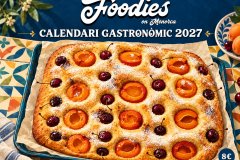
Foodies on Menorca prepares a 2027 gastronomic calendar dedicated to Menorcan baking
Read more27/09/2026Foodies on Menorca
-
 Read more
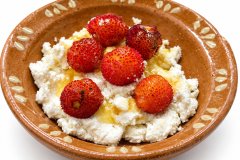
Strawberry tree fruits with honey and fresh whey curd, an old autumn dessert worth reviving
Read more23/09/2026Foodies on Menorca
-
 Read more
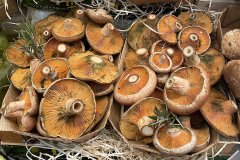
Menorca’s Autumn: Mushrooms, Quinces and Comforting Spoon Dishes
Read more18/09/2026Foodies on Menorca
- Publicitat

-
Publicitat



Sitemap
Cookies policy
Cookie settings
Legal notice
Privacy policy
 © Copyright 2018 - 2026