
The Cuisine of the Reconquest in Menorca (I)
 Foodies on Menorca

Bep Al·lès/Ciutadella - At the end of next week, Menorca will celebrate the feast of Sant Antoni, with its distinctive cultural features that commemorate the Christian reconquest of the island, its reintegration into Europe, and its incorporation into the Crown of Aragon. This process not only meant unity with the rest of the islands, followed shortly by incorporation into the Kingdom of Mallorca, but also the arrival of new customs, religion, culture, language and gastronomy. With the Catalan conquerors came new ways of cooking, new techniques, preparations, ingredients and new approaches to food.
This period marks the arrival of what is known as medieval cuisine, which would endure well into the 18th century. Gradually, from the 16th and 17th centuries onwards, this cuisine incorporated products from the New World, transforming many dishes that today form part of our contemporary culinary tradition.
We know what Menorcans —as well as Mallorcans and Catalans— ate during this period thanks to the publication of the first cookbooks, such as the Sent Soví, of unknown authorship, dated to 1320. This work provides recipes from aristocratic households and families of a certain economic standing, as well as dishes prepared for major celebrations.
From this point on, Menorcan and Balearic cuisine began to acquire a strong influence from Catalan and Italian cooking, due to the island’s main trade routes being established with the ports of Barcelona, Alghero, Naples, Genoa and Palermo, in addition to Alcúdia, Sóller and Palma.
Menorcans gradually abandoned Roman and Arab cooking methods, and the first true kitchens appeared, where food was cooked at ground level, but where boiling and frying also became common practices, using olive oil and pork fat.


Latest posts
-
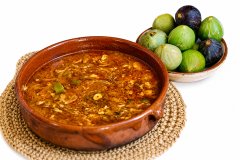 Read more
-
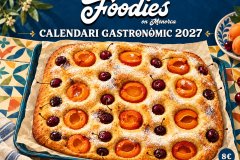 Read more
Foodies on Menorca prepares a 2027 gastronomic calendar dedicated to Menorcan baking
Read more27/09/2026Foodies on Menorca
-
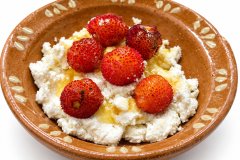 Read more
Strawberry tree fruits with honey and fresh whey curd, an old autumn dessert worth reviving
Read more23/09/2026Foodies on Menorca
-
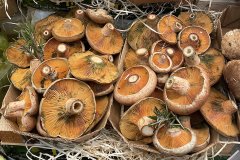 Read more
Menorca’s Autumn: Mushrooms, Quinces and Comforting Spoon Dishes
Read more18/09/2026Foodies on Menorca
- Publicitat

-
Publicitat



Sitemap
Cookies policy
Cookie settings
Legal notice
Privacy policy
 © Copyright 2018 - 2026