
Menorca’s Autumn: Mushrooms, Quinces and Comforting Spoon Dishes
 Foodies on Menorca
Bep Al·lès/Ciutadella - Next Wednesday, 23 September, autumn will officially begin. On our island, we call it primavera d’hivern —literally, “winter spring”— a season that in Menorca has traditionally been closely linked to the agricultural calendar, the first rains and heartier cooking. Fresh summer dishes give way to stews, rice dishes, preserves, mushrooms and the first comforting meals eaten with a spoon.
In the past, farming families made the most of these months to gather and preserve as much food as possible in preparation for winter. It was the season for fruit compotes, preserves and jams, for finishing jars of tomatigat (preserved tomato sauce) and sofregit (a traditional sautéed vegetable base), and for roasting red peppers to preserve them with garlic and olive oil. Jujubes, olives, pomegranates, medlars, quinces and persimmons also began to appear, filling the pantries of Menorcan homes with seasonal produce.
Quinces held a particularly important place. They were used to prepare quince paste, which was eaten on its own or used to fill traditional pastissets, Menorcan pastries. Quinces also featured in preparations that have almost disappeared today, such as pastís de conserva, and were part of the earliest versions of the traditional rolled sponge cake known as braç de gitano.
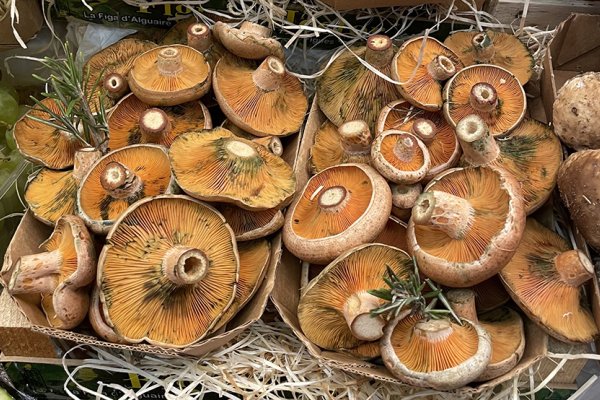
But if there is one ingredient that announces the arrival of primavera d’hivern in Menorcan gastronomy, it is mushrooms. The island preserves a strong tradition of mushroom foraging. In the past, traditional shoemakers working at their benches were particularly renowned for their knowledge of the Mediterranean scrubland and the hidden places where these small treasures could be found. Esclata-sangs (saffron milk caps), gírgoles (oyster mushrooms) and cames seques are among the most eagerly awaited and highly prized varieties when the rains arrive.
The primavera d’hivern has also traditionally been the hunting season. Thrushes, partridges, quails and woodcocks found their way into local kitchens, becoming ingredients in rice dishes cooked in earthenware casseroles and other richly flavoured preparations. Mushrooms also marked the return of the first creamy meat and rice dishes, one of the preparations that best represents this seasonal cuisine.
It was also the time to begin fattening the pigs destined for the porquetjades, the traditional Menorcan pig slaughtering and sausage-making gatherings, which usually began with the first cold weather after All Saints’ Day. This was an essential practice in a household economy where practically every part of the pig was used.
With the first heavy rains, snails also reappear, prepared with garlic mayonnaise or cooked with potatoes, pork ribs, sobrasada and botifarró, a traditional Menorcan sausage. Pumpkins return to the table in soups and other warming dishes, while the sea provides ingredients characteristic of this time of year, such as pearly razorfish (raors), dolphinfish (llampugues) and young amberjack (verderols).
Menorca’s primavera d’hivern cuisine is, ultimately, a transition towards the colder months. It is a gastronomy closely connected to the countryside, the sea, the rains and the pantry, rediscovering deep flavours and slow-cooked recipes. The days grow shorter, the first autumn evenings arrive, and tables once again call for comforting spoon dishes, earthenware casseroles, oven-baked meals and seasonal ingredients that truly come into their own at this particular time of year.


Latest posts
-
 Read more
-
 Read more
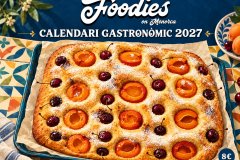
Foodies on Menorca prepares a 2027 gastronomic calendar dedicated to Menorcan baking
Read more27/09/2026Foodies on Menorca
-
 Read more
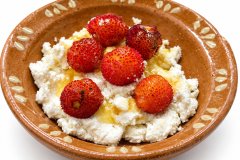
Strawberry tree fruits with honey and fresh whey curd, an old autumn dessert worth reviving
Read more23/09/2026Foodies on Menorca
-
 Read more
- Publicitat

-
Publicitat



Sitemap
Cookies policy
Cookie settings
Legal notice
Privacy policy
 © Copyright 2018 - 2026