
Cuscussó, the oldest nougat of Menorca
 Foodies on Menorca

Bep Al·lès/Ciutadella - Perhaps the oldest sweet on the island of Menorca is cuscussó, a nougat made from ground almonds, unsalted bread, raisins, pine nuts and pork lard. It is a staple of Christmas tables in Ciutadella, where it has been best preserved, although in the past it was found throughout the island.
Like many other ancient dishes, it was Christianised over time, as the butter used in the original recipe was replaced by pork lard.
In Ciutadella it has always been said to be a sweet “from Moorish times”; indeed, its name recalls couscous or alcuzcuz. It was adopted by the Christians who conquered the island, having learned to prepare it from those who remained, either as slaves or after buying their freedom.
In the past, every household had its own clay pot for making cuscussó. This earthenware dish was never used to cook meat or fish, nor for sofritos; it was reserved exclusively for this ancestral sweet or for other almond-based pastries.
In my research into old recipes, I have found several versions of cuscussó, including the so-called “cuscussó from Moorish times”, which, in addition to almonds, unsalted breadcrumbs, sugar, raisins and toasted pine nuts, used local butter or clarified butter instead of pork lard, and also included Menorcan honey—which could replace sugar—and candied dates.
There was also another old version known as “poor man’s cuscussó”, eaten with a spoon, made with 250 g of grated stale country bread, 100 g of pork lard, 250 g of sugar, raisins, pine nuts and half an eggshell of water.
Another variety included ground cinnamon and grated lemon zest and was prepared cold. The mixture was kneaded in a bowl and then placed in a new cloth bag, hung by its four corners for a full day so that the oil released by the almonds would blend with the sugar and soak into the bread, absorbing the flavours and spices. The following day, the mixture was transferred to the clay pot with pork lard, Malaga raisins (seedless), toasted pine nuts and a glass of water, stirring with a wooden spoon until the desired texture was achieved.
This Christmas sweet was once common throughout the island, but its preparation gradually declined and survived only in Ciutadella and Ferreries. However, recipes found in late 19th-century notebooks show that cuscussó was also made in Alaior and Es Migjorn Gran.

In recent decades, cuscussó has evolved with the addition of candied fruit both inside and as decoration, alongside raisins, pine nuts and the traditional candied dates.
Some believe that the origin of this sweet lies in one of the oldest Christmas stuffings in Menorca: bread, almonds, raisins, pine nuts and fat, used to stuff birds such as capons filled with cuscussó. This later evolved into stuffed turkey, which became the traditional Christmas dish.
Today, few households still serve capon stuffed with cuscussó for Christmas lunch. The custom of eating stuffed poultry and making broth from the oldest hen—no longer laying eggs but rich in fat and flavour—has also largely disappeared.
The traditional Christmas meal consisted of Christmas broth with galets pasta (unfilled in Menorca) or sopa de la Reinaas a first course; bullit as a second; and roast capon stuffed with cuscussó or pilotes, or an almond stuffing with dried apricots, raisins, prunes and pine nuts, as the main dish. Desserts included sponge cakes, Queen’s nougat, pastarral rings, glazed sweets, amargós, coconut balls, small jam-filled pastries and cuscussó.
Today, Christmas broth remains, but the roast has become “Mallorcanised”, and many people now choose roast suckling pig instead of capon or turkey, or abandon tradition altogether in favour of lobster (often frozen) stews, spiny lobster, seafood grills or fish casseroles. As always, tastes and fashions evolve.


Latest posts
-
 Read more
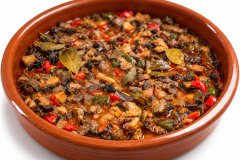
Traditional Offal Fry (Freixura or Freixurat), a Culinary Heritage Looking to the Future
Read more22/11/2026Foodies on Menorca
-
 Read more
-
 Read more
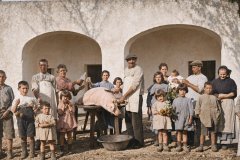
Pig slaughtering, a tradition that fed Menorcan families throughout the winter
Read more06/11/2026Foodies on Menorca
-
 Read more
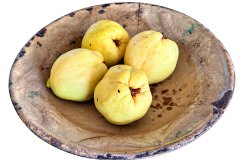
The Quince, the Fruit That Filled Homes with Fragrance in Autumn
Read more28/10/2026Foodies on Menorca
- Publicitat

-
Publicitat



Sitemap
Cookies policy
Cookie settings
Legal notice
Privacy policy
 © Copyright 2018 - 2026