
A Lobster Breakfast in the 1950s
When lobster was a shared meal among fishermen and friends on the Ciutadella waterfront
 Foodies on Menorca

Bep Al·lès/Ciutadella - Today, lobster is regarded as one of Menorca’s greatest culinary treasures, featured on the menus of fine restaurants and sought after by lovers of Mediterranean seafood cuisine. But it was not always so. In the 1950s, long before it became a luxury product, lobster was also part of the everyday life of fishermen and seafaring communities.
This was recalled by Ramon Cavaller, the first editor of the weekly newspaper El Iris, who often spoke of the improvised breakfasts that took place on the waterfront of Ciutadella. Whenever Manolo Pérez, a professional fisherman, visited the lobster holding tanks to feed the crustaceans, some specimens would occasionally be damaged by changes in water temperature, a broken tether, or the loss of a leg. These lobsters, difficult to sell commercially, would often end up in the hands of friends and acquaintances for fifteen pesetas, or sometimes even free of charge, provided they joined the gathering around the table.
The preparation was as simple as it was unforgettable. With a few vine cuttings and several pieces of firewood, a fire was quickly lit right on the quay. The wood had to be holm oak or wild olive, never pine, whose resinous smoke could spoil the delicate flavour of the shellfish. The lobsters, freshly taken from the water, were then grilled over the glowing embers, relying on little more than fire and careful timing.
While the lobsters cooked, a simple yet flavourful salad was prepared in a large bowl: freshly cleaned lettuce, a generous handful of olives, plenty of onion, and a liberal dressing of thick, slightly peppery olive oil. Once grilled, the lobster meat was removed from the shell, sliced into medallions, and mixed with the salad. A light sprinkling of salt was all that was needed to complete the dish.
These breakfasts were far more than a way to satisfy hunger. They were spontaneous celebrations of maritime life, moments of camaraderie shared among fishermen, dock workers, and friends. Free from ceremony or luxury, lobster became the perfect excuse to exchange stories, experiences, and laughter while looking out over the sea.
According to Ramon Cavaller, this was the finest way to eat lobster. Perhaps because, beyond the quality of the product itself, what truly gave flavour to the meal was the unique atmosphere of a time when gastronomy was rooted in simplicity, friendship, and a direct connection with the sea. In those years, food was inseparable from the people who caught it, prepared it, and shared it. The memory of those gatherings remains a vivid reminder of a Menorca where authenticity mattered more than refinement and where the most memorable meals were often the simplest.


Latest posts
-
 Read more
-
 Read more
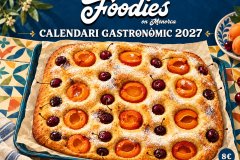
Foodies on Menorca prepares a 2027 gastronomic calendar dedicated to Menorcan baking
Read more27/09/2026Foodies on Menorca
-
 Read more
Strawberry tree fruits with honey and fresh whey curd, an old autumn dessert worth reviving
Read more23/09/2026Foodies on Menorca
-
 Read more
Menorca’s Autumn: Mushrooms, Quinces and Comforting Spoon Dishes
Read more18/09/2026Foodies on Menorca
- Publicitat

-
Publicitat



Sitemap
Cookies policy
Cookie settings
Legal notice
Privacy policy
 © Copyright 2018 - 2026