
Trump Tariffs: the “fine print” that may make Menorcan wine, Gin, cheese and olive oil more expensive
 Foodies on Menorca

The news comes from afar but hits close to home: Washington and Brussels have agreed this summer on a trade framework that, in practice, sets a 15% general tariff on most European products entering the U.S. While cars took the headlines, the “fine print” includes tariff codes that decide the fate of bottles, cheese wheels and olive oil shipped from Menorca to the American market.
What the deal says… and what it means
The framework announced in late July sets a 15% baseline for most EU imports into the U.S., with few exemptions. Brussels avoided harsher hikes but did not secure special treatment for wine or spirits. For olive oil, the impact is even sharper: the U.S. is the world’s largest importer, Spain its key supplier, and tariffs consolidate a 15% surcharge after years of disputes (such as the black olives case).
Impact on Menorca: three value chains, one same challenge
Wine & Gin: niche markets under pressure

Menorcan wines are boutique: small series, mid-to-high prices, artisanal importers. A $20 bottle can easily become $23–24 after tariffs and distributor margins, making it harder to compete with Italian and French wines.
Cheese: Maó-Menorca under surcharge

PDO Maó-Menorca cheeses travel refrigerated with strict labeling and checks. The 15% tariff adds to costly logistics, often pushing the final price up by 18–22%.
Olive oil: global competition tightening

With historically high farm-gate prices, Menorcan oil now faces U.S. buyers sensitive to cost. Large-volume suppliers are favored, leaving small producers at risk.
Three fine-print factors
-
HS codes and packaging – Different formats can fall under less costly tariff categories.
-
Flexible contracts – Adjustment clauses tied to tariffs help share risk with importers.
-
Narrative and added value – Storytelling is key: heritage, terroir, artisanal methods justify higher prices.
What’s next?
No immediate relief is expected. The 15% tariff looks set to stay. For Menorca, the path is clear: professionalize exports, strengthen premium positioning, and diversify markets. Meanwhile, detail in documentation and joint promotion are essential to keep Menorcan products on U.S. shelves.


Latest posts
-
 Read more
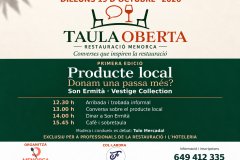
Taula Oberta launches a discussion day on local produce at Son Ermità
Read more03/10/2026Foodies on Menorca
-
 Read more
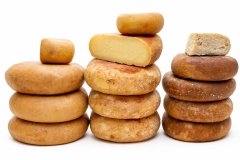
Maó to hold the 5th Mahón-Menorca Cheese Fair from 16 to 18 October
Read more03/10/2026Foodies on Menorca
-
 Read more
-
 Read more
Las Campanas, a historic bakery in Sant Lluís, closes its doors
Read more02/10/2026Foodies on Menorca
- Publicitat

-
Publicitat


Sitemap
Cookies policy
Cookie settings
Legal notice
Privacy policy
 © Copyright 2018 - 2026