
The 2027 Foodies on Menorca Gastronomic Calendar Revives the Flavours of Traditional Menorca
 Foodies on Menorca
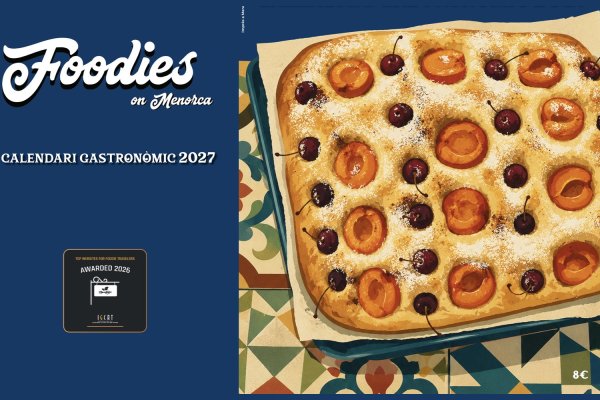
Menorca's gastronomic heritage once again takes centre stage in a new edition of the Foodies on Menorca Gastronomic Calendar, which for 2027 offers a journey through the twelve months of the year featuring traditional recipes from the island's baking, pastry-making and popular culinary traditions. The publication combines the everyday usefulness of a calendar with the promotion of Menorcan culinary culture and, above all, serves as a means of preserving and passing on the flavours that have been part of family life for generations.
Published by Setmanaris i Revistes SL, with recipes by Bep Al·lès, the calendar dedicates each month to a representative speciality from Menorca's traditional repertoire. Three Kings' cakes, sweet potato greixera, tortada imperial, brossat fresh curd cheese pastries, Viennese bread rolls with sobrassada, Sant Joan ensaïmada, tomato coca, mocadorets, plum coca, pastissets, All Saints' Day fritters and cuscussó make up a selection that invites readers to rediscover the richness of Menorca's sweet and savoury cuisine.
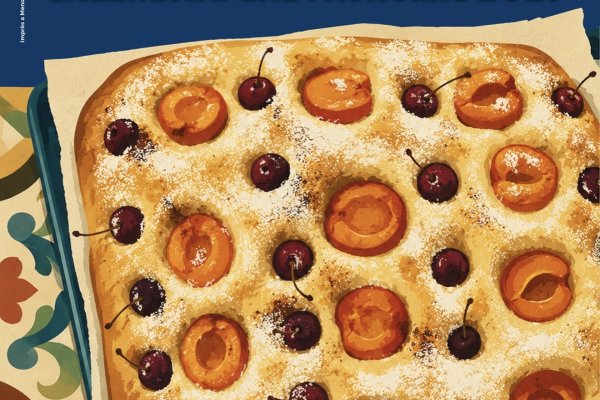
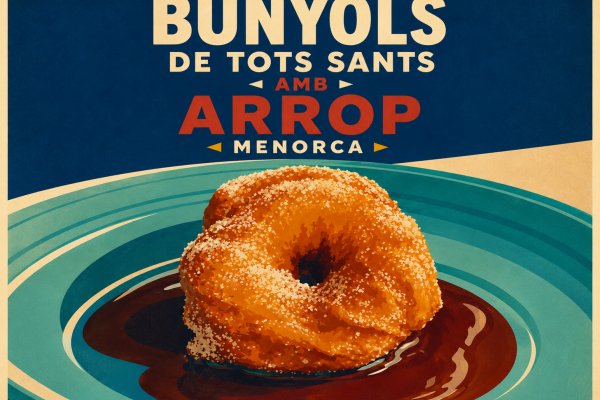
The publication also stands out for its visual style, inspired by the advertising and tourism posters of the mid-twentieth century. Each recipe is represented by an illustration featuring vibrant colours, simplified shapes and typography reminiscent of commercial graphic design from the 1950s and 1960s. The result is a collection of twelve gastronomic prints, each with its own distinctive character, transforming the calendar into both a decorative and cultural item.
Twelve Months to Rediscover Traditional Cooking
The gastronomic journey begins in January with Three Kings' cakes, a speciality particularly associated with Ciutadella's baking traditions. Made with flour, eggs, sugar, pork lard and yeast, these round cakes, decorated with colourful sugar confections, are part of the collective memory of family celebrations marking the Feast of the Three Kings. The calendar revives the traditional recipe and also mentions the possibility of adding aniseed or anise.
February is dedicated to sweet potato greixera, an example of traditional cooking's ability to transform simple ingredients into dishes with a distinctive character. Sweet potato, combined with eggs, sugar, lemon and cinnamon, produces a dessert that evokes family recipe collections and the use of seasonal produce.
March features tortada imperial, one of the most representative creations of Menorca's festive baking tradition. Almonds, eggs and sugar form the basis of this cake, which is decorated with meringue, candied citron and silver sugar decorations, recalling the traditional pastries prepared for major celebrations.
April brings back brossat fresh curd cheese formatjades, another speciality closely linked to family traditions. Pastry made with flour and pork lard encloses a filling of brossat, eggs, sugar and lemon. Its preparation preserves gestures and techniques that have been passed down over the years from mothers to daughters and from grandparents to grandchildren.
May is devoted to Viennese bread rolls with sobrassada, a speciality that combines the softness of a dough enriched with milk, eggs and pork lard with the distinctive flavour of sobrassada, Menorca's traditional cured pork sausage spread. It represents a side of Menorcan gastronomy in which baking and savoury preparations share techniques, ingredients and traditions.
Saint John, Summer Cocas and Seasonal Produce
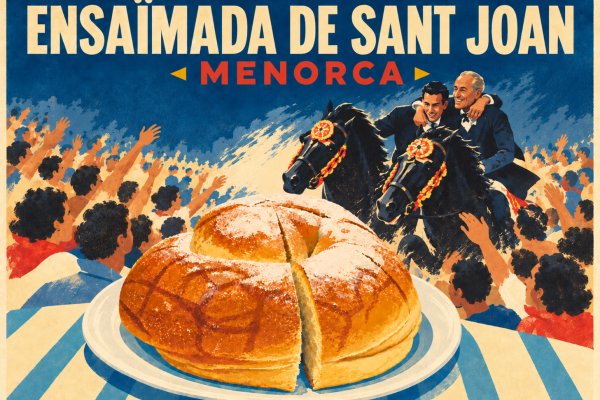
June is reserved for one of the great culinary symbols of Ciutadella's Sant Joan festivities: the Sant Joan ensaïmada. Its inclusion in the calendar highlights the relationship between gastronomy and popular celebrations. Made with flour, eggs, potato, sugar and pork lard, it has its own distinctive shape and characteristics. The publication also recalls that in the Maó area this speciality is known as coca bamba.
With the arrival of July, the calendar proposes tomato coca, a recipe that makes use of ripe summer tomatoes. The combination of bread dough, olive oil, garlic, parsley and tomato is one of the simplest and most recognisable expressions of the Mediterranean cuisine practised in Menorca.
August is dedicated to the mocadoret, a speciality associated with Ferreries. It consists of pastry filled with fish and a sautéed mixture of onion, tomato, garlic and parsley, enclosed by bringing together the four corners of the dough. Its inclusion also celebrates the local specialities that contribute to the gastronomic diversity of Menorca's towns and villages.
September brings plum coca, a sweet preparation associated with seasonal fruit. The local plums known as prunes de porc, arranged over a dough enriched with potato, eggs, sugar and milk, recall the importance that produce from vegetable gardens and fruit trees once held in home cooking.
All Saints' Day and Christmas Baking Traditions
The final three months of the year revive recipes particularly associated with autumn and winter traditions.
October is dedicated to pastissets, one of Menorca's most characteristic traditional pastries, made with a dough of flour, pork lard, sugar and egg yolks, which can be filled with figat, a traditional fig preserve, or other fruit preserves.
November features All Saints' Day fritters, traditionally served in Ciutadella with grape syrup or prickly pear syrup. This recipe has additional documentary significance, as it comes from a collection of traditional customs and recipes published in the weekly newspaper Setmanari El Iris in 1943, in the section entitled "Un plat" ("A Dish"), written by the contributor Sisa. Recovering this recipe establishes a direct connection between contemporary gastronomy and the written heritage of the newspaper itself.
Finally, December is devoted to cuscussó, one of the most emblematic specialities of Menorca's Christmas celebrations. Almonds, breadcrumbs, sugar, raisins and pine nuts are among the ingredients of a recipe that exemplifies the richness of traditional cooking, built around locally available ingredients and techniques passed down from generation to generation.
A Recipe Collection to Preserve and Share
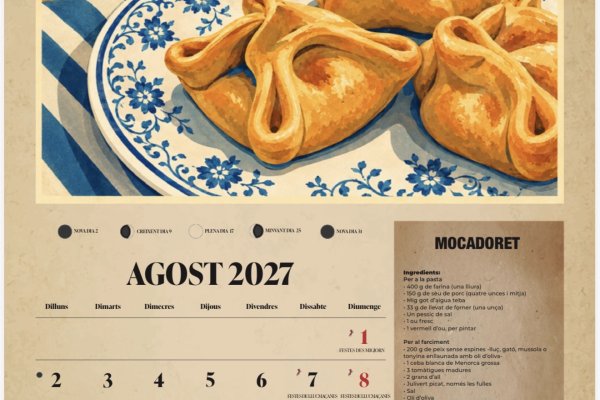
Beyond the illustrations, each page includes the ingredients and instructions needed to prepare the corresponding recipe, meaning that the calendar also serves as a small, practical recipe collection.
This practical dimension is one of the publication's most interesting contributions. Its purpose is not merely to remember old dishes, but to encourage people to continue preparing them in today's kitchens, keeping alive the knowledge and distinctive features of Menorca's culinary heritage.
The 2027 Gastronomic Calendar also includes the phases of the moon, the calendar of saints' days and Menorca's main traditional festivities, further strengthening the connection between food, seasonality and popular culture.
Printed in Menorca and priced at eight euros, this new Foodies on Menorca edition is a contribution to gastronomic and cultural awareness that highlights the value of traditional recipes as part of the island's identity. Twelve recipes and twelve illustrations invite readers to rediscover the flavours of childhood, family celebrations and a style of cooking rooted in time, knowledge and local produce, which remains one of the most authentic expressions of Menorcan culture.


Latest posts
-
 Read more
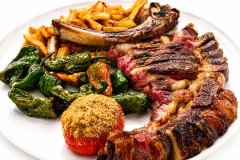
Rias Baixas, a Fusion of Galician and Menorcan Cuisine in Ferreries
Read more08/11/2026Foodies on Menorca
-
 Read more
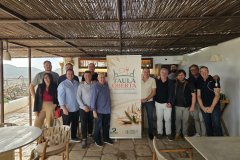
Local produce gains ground in Menorca's restaurant industry, but challenges remain
Read more02/11/2026Foodies on Menorca
-
 Read more
-
 Read more
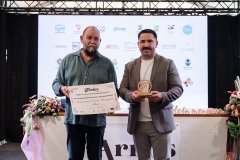
MICAT, a New Perspective on Menorcan Cuisine from Cala en Bosc
Read more15/10/2026Foodies on Menorca
- Publicitat

-
Publicitat



Sitemap
Cookies policy
Cookie settings
Legal notice
Privacy policy
 © Copyright 2018 - 2026