
Recovering Grandmothers’ Cooking
 Foodies on Menorca

Bep Al·lès/Ciutadella - It is worrying — and not the first time we have written about it — that the cooking our grandmothers prepared is disappearing, as most traditional dishes are no longer found on restaurant menus, replaced by others that have nothing to do with tradition or with our deeply rooted Minorcan cuisine.
Perhaps it is time to begin a serious and productive debate about the alarming lack of Minorcan dishes on restaurant menus across the island. The exception is seafood cuisine, which still has a modest presence, certainly more than meat and vegetable dishes. As for pastries and desserts, they deserve a separate chapter altogether.
Our traditional cuisine — the one that disappeared from restaurant and inn menus in the 1960s — should be recovered. However, this will not be easy without the commitment of restaurateurs on one hand and public administrations on the other.
During the 1960s and 70s, we made the mistake of offering international cuisine to tourists. Pepper and Roquefort entrecôte, sole meunière, sea bream and sea bass baked in salt (not yet farmed at that time), vol-au-vents stuffed with fish and seafood, and many other dishes became fashionable. These dishes, remembered from old menus, caused considerable harm to our culinary heritage, just as current innovations and trends imported from abroad or resulting from gastronomic globalization continue to do.
Sadly, many of our own traditional dishes remain forgotten or are considered merely home cooking, unworthy of appearing beyond domestic kitchens. Dishes such as rabbit with tomato, rabbit with onions and capers, cannelloni with rabbit, rice with rabbit and lobster — using rabbit as just one example — were once common both in homes and restaurants during the 60s and 70s and formed part of our regular diet.
Regarding beef, we no longer find feixets (called “perdius de capellà” in Mallorca). Few restaurants prepare beef tongue with capers or beans, yet most offer entrecôte with Roquefort instead of using Menorca cheese — despite the fact that we produce one of the best cheeses in the world.
Organizations such as Pime and Caeb Menorca have launched positive campaigns to revive traditional dishes like oliaigua or bullit, and to promote Minorcan cuisine events. However, participation remains limited compared to the total number of restaurants on the island, and these dishes often appear only on special event menus without becoming permanent fixtures.
Dishes such as oliaigua, rabbit with peppers and tomato, lamb panadera, prawn panadera, tomato, onion, cucumber and caper salad, baked ray with capers, noodles with dogfish, endive fritters, broad beans with noodles, noodles with red mullet, red mullet with liver sauce, baked prawns with potatoes, baked cockles or mussels, seafood stews such as prawn and langoustine calderetas, crab stew, conger or moray eel stew, baked razor clams, baked squid with potatoes, soupy gerret rice, fried serran fish or serran stew, cod with borrida, chicken stuffed with meatballs, pork loin with baked apples, rabbit, cod, dentex or sea bream panaderas, red scorpionfish panadera, Minorcan-style baked eggs, snails with crab, stuffed courgettes, “poor man’s” aubergines, fried eggs with sobrasada or white sausage, meatballs with almond or hazelnut sauce, stuffed cuttlefish, and many baked dishes — known as perols — of meat, fish and seafood, all deserve greater presence.


Latest posts
-
 Read more
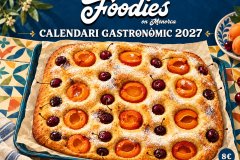
Foodies on Menorca prepares a 2027 gastronomic calendar dedicated to Menorcan baking
Read more27/09/2026Foodies on Menorca
-
 Read more
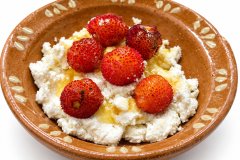
Strawberry tree fruits with honey and fresh whey curd, an old autumn dessert worth reviving
Read more23/09/2026Foodies on Menorca
-
 Read more
-
 Read more
- Publicitat

-
Publicitat



Sitemap
Cookies policy
Cookie settings
Legal notice
Privacy policy
 © Copyright 2018 - 2026