
Can Los Son Granot: the most authentic Menorcan cuisine, with lobster caldereta as its emblem
 Foodies on Menorca
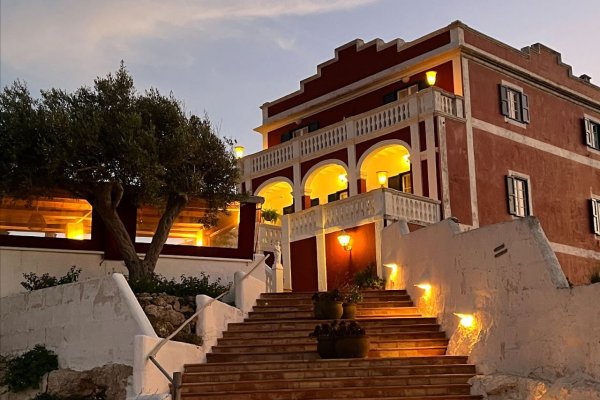 Foto: Can Los Son Granot
On the Sant Felip road, at the entrance to Es Castell, Can Los Son Granot keeps alive a way of eating Menorca with pride and without pretence. Part of the Son Granot estate and rural hotel, the space breathes countryside and sea, with warm dining rooms and a terrace that invites long conversations as the light fades over Maó harbour and Cales Fonts. It is the perfect setting for a Menorcan cuisine that doesn’t need to shout to be noticed: the product speaks, the cooking whispers, and a recipe book has its voice, respected here to the letter.
The menu is a declaration of intent: local seafaring cuisine, rice dishes that smell of slow sofrito, grilled fish and meats, homemade desserts and artisanal ice creams from the island. The wine cellar, broad and well curated, offers more than two hundred references of wines, cavas and champagnes, reinforcing a narrative that puts the territory at the centre, also in the glass. This is not for show: most of the ingredients come from Menorca, and the result is evident in the honesty of flavours and in the seasonal rhythm that marks the menu.
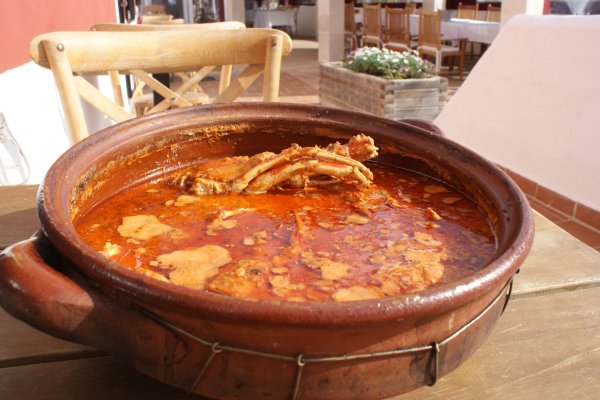 Foto: Can Los Son Granot
The star of the house, however, is the lobster caldereta —the stew that has become legendary on the island—, made with the native red lobster of Menorca, firm and sweet, treated here with the respect demanded by collective memory. A broth that evokes the sea and Menorca, served with just the right touch of toasted bread and the perfume of a patient sofrito, is one of those that demand silence at the table. For those seeking an even more indulgent turn, the house also offers fried lobster with potatoes and eggs, a festive classic that marries the opulence of the crustacean with the domestic simplicity of fried eggs and perfectly made chips. These are dishes that explain Menorca as it is: austere and generous at once, seafaring and rural, without contradiction.
Commitment to the Menorcan recipe book does not stop at lobster. At Can Los you will also find the day’s fresh fish from the market, grilled so that the skin crisps and the flesh stays juicy; rice dishes that respect the grain while playing with seafood and garden produce; and starters that summon rooted flavours, such as grilled squid with garlic and parsley reminiscent of fishermen’s suppers. All of this speaks of a cooking style that avoids acrobatics in order to celebrate craftsmanship.
Also worthy of mention are their island meats, grilled to perfection, with skill, and with the aromas gifted by wild olive wood embers.
Chef José Taltavull —the soul of the house for decades— has managed to maintain this line with a contemporary outlook and a steady hand. His proposal is “honest”, based on treating the island’s produce “with respect and affection”: a definition that here is not a slogan but daily practice. The dining room supports it with attentive, friendly service, from those who know the rhythm of the room and can recommend the cut of fish or meat that “came in best” today, or the wine that discreetly bridges between flesh and scale.
There are restaurants that seek to surprise and others that want to take root. Can Los belongs to the latter: cuisine that explains itself, without make-up, finding in local produce —and in the tradition that has shaped it over generations— its finest emblem. If you come to Menorca to understand why a lobster caldereta can move you, here you have a convincing answer. And if you believe that the best tables are those that honour what they have close at hand, this too: at Can Los, Menorca is eaten with all the senses.


Latest posts
-
 Read more
La Bodega del Jazzbah, signature tapas with a Mediterranean soul
Read more24/09/2026Foodies on Menorca
-
 Read more
Foodies on Menorca recognises the work of restaurants, hotels and producers
Read more20/09/2026Foodies on Menorca
-
 Read more
Foodies on Menorca Vintage revives the spirit of the 1950s to celebrate Menorcan gastronomy
Read more09/09/2026Foodies on Menorca
-
 Read more
White shrimp gain ground in Menorca’s catches as red shrimp become scarcer
Read more28/08/2026Foodies on Menorca
- Publicitat

-
Publicitat



Sitemap
Cookies policy
Cookie settings
Legal notice
Privacy policy
 © Copyright 2018 - 2026