
‘Mercaurants’: the silent revolution changing the way we eat
 Foodies on Menorca
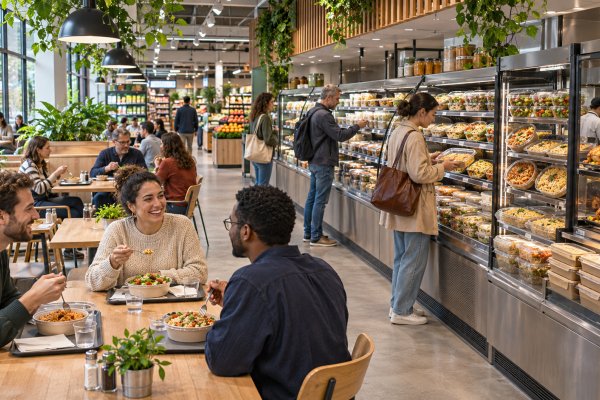
Bep Al·lès/Ciutadella - Eating at the supermarket is no longer simply an improvised solution for a quick meal. It is becoming a new eating habit that is transforming consumers’ relationship with cooking, restaurants and the time devoted to preparing food. So-called mercaurants, supermarket spaces offering ready-made dishes for immediate consumption, are gaining ground and opening up a debate that goes far beyond competition between supermarkets and restaurants.
This trend reflects a profound social transformation. Working hours, commuting, single-person households and the difficulty of balancing professional and family life have made time one of our most valuable resources. Cooking involves planning menus, buying ingredients, preparing dishes and cleaning up afterwards. For many consumers, this commitment represents a burden they would rather avoid.
The figures confirm this shift. According to the Spanish Association of Prepared Meal Manufacturers, consumption of these products increased by 3.8% during 2025. Meanwhile, the Spanish Ministry of Agriculture's food consumption report identifies a reduction in the time spent preparing lunches and dinners, alongside a growing presence of industrially prepared foods.
Time and price: the keys to success
The appeal of mercaurants combines three factors: speed, convenience and affordability. Consumers can buy a meal, heat it up and eat it within minutes, without making a reservation or requiring table service. This model is particularly competitive compared with traditional set menus, which must cover the costs of staff, premises and service.
There is also a psychological dimension. Buying ready-made food eliminates everyday decisions and frees up mental energy. The possibility of choosing between rice dishes, pasta, salads, meat and international specialities offers a variety that many people would struggle to prepare at home every day.
In Menorca, this reality is already present. Since 2023, the island's three Mercadona supermarkets have offered ready-made food sections, with designated areas where customers can eat their purchases. The model appeals both to workers who need a quick lunch and to visitors looking for affordable alternatives during their holidays.
The advantages and contradictions
The benefits are clear. This system provides access to hot meals, can reduce the time spent cooking at home and offers alternatives for people living alone or those with limited resources for preparing food.
However, convenience must be distinguished from nutritional quality. A ready-made meal is not necessarily harmful, but neither is it automatically healthy. Everything depends on the ingredients, cooking techniques and quantities of salt, fats and sugars used.
The Alícia Foundation warns that certain prepared foods may encourage unbalanced eating patterns. It also points out that nutritionally appropriate ready-made meals do exist. Problems arise when convenience systematically replaces a varied, balanced diet based on fresh produce.
There is also an environmental contradiction. Large-scale production can optimise certain processes, but individual packaging, disposable cutlery, transport and the management of surplus food introduce environmental costs that must also be taken into account.
Competition that concerns the restaurant industry
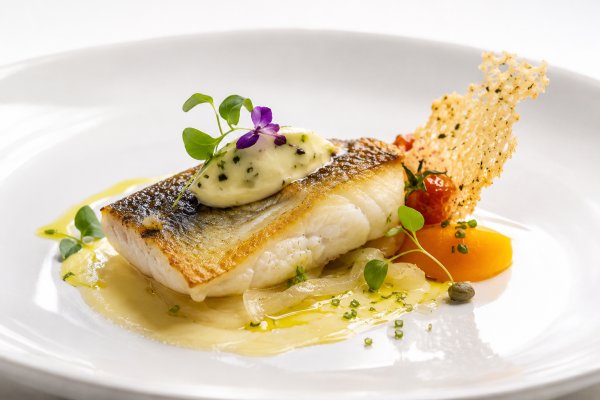
Restaurant owners are watching this phenomenon with growing concern. Last June, the Barcelona Restaurant Guild filed complaints against thirty supermarkets, arguing that they were carrying out restaurant activities without being subject to the same regulatory conditions. The debate raises questions about where retail activity ends and restaurant service begins.
For traditional establishments, competing solely on price is difficult. Their response will need to focus on quality, locally sourced products, personalised service and a gastronomic experience that can hardly be reproduced in an area equipped with microwaves and shared tables.
The risk of losing culinary culture
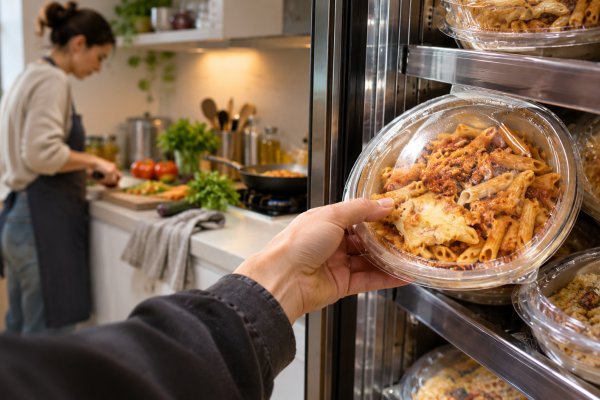
The most profound consequence could be cultural. Cooking means passing on knowledge, preserving family recipes and maintaining a direct relationship with local products.
In Menorca, where gastronomy is an essential part of the island's identity, gradually abandoning home cooking could weaken this heritage. Traditional dishes such as panaderes, aguiats, oliaigos and greixeres depend on successive generations continuing to prepare them.
The question is not to reject mercaurants, which respond to genuine needs, but to prevent convenience from becoming the only criterion guiding our food choices.
The future will probably combine home cooking, traditional restaurants and ready-made meals. The real challenge will be to ensure that this coexistence does not mean sacrificing health, local produce or the culinary knowledge that defines our gastronomic culture.
Because saving time is an advantage, but losing the ability and pleasure of cooking may ultimately prove far more costly.


Latest posts
-
 Read more
The 2027 Foodies on Menorca Gastronomic Calendar Revives the Flavours of Traditional Menorca
Read more13/11/2026Foodies on Menorca
-
 Read more
Rias Baixas, a Fusion of Galician and Menorcan Cuisine in Ferreries
Read more08/11/2026Foodies on Menorca
-
 Read more
Local produce gains ground in Menorca's restaurant industry, but challenges remain
Read more02/11/2026Foodies on Menorca
-
 Read more
- Publicitat

-
Publicitat



Sitemap
Cookies policy
Cookie settings
Legal notice
Privacy policy
 © Copyright 2018 - 2026