
Dining earlier: a change in habits that could also reach Menorca’s tables
Meal times are beginning to shift earlier in Spain, driven by changing lifestyles, work-life balance, health concerns and increasingly flexible restaurants.
 Foodies on Menorca
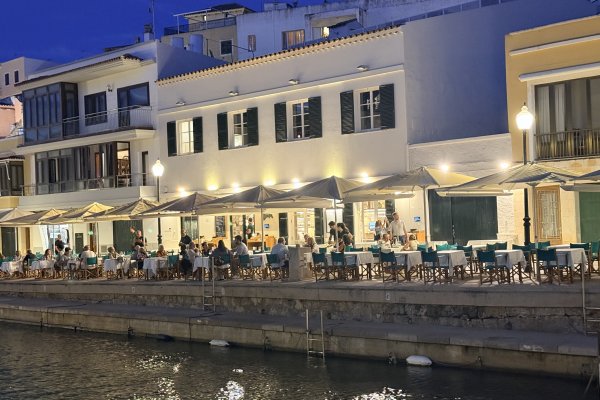
For decades, having dinner at ten at night or even later has been one of the habits that most clearly distinguished Spain from other European countries. But that custom now appears to be changing. More and more people are choosing to sit down to dinner earlier, a trend that some restaurants are already noticing and one that could also gain ground in Menorca.
There is no single explanation. Changes in working hours, greater concern about sleep, sport, family life and more organised daily routines are all encouraging people to eat earlier. Dining sooner gives people more time at the end of the day, increases the interval between dinner and bedtime and can make it easier to balance family and professional life.
Spanish schedules also have a particular history. The adoption of Central European Time during the twentieth century helped shift the perception of solar time, while split working days and long working hours consolidated later lunches and dinners than in much of Europe.
In Menorca, this potential change has its own characteristics. During the tourist season, restaurants welcome guests from countries where eating dinner between six and eight in the evening is entirely normal. As a result, many establishments already operate across a broad service window, serving both visitors who prefer to dine early and local customers who traditionally arrive later.
The trend could also create new opportunities for restaurants. Starting dinner service earlier could help spread reservations more evenly, avoid peaks at the same time and make it easier to organise front-of-house and kitchen teams. The idea is not necessarily to eliminate late dinners, but rather to broaden the options and adapt to changing preferences.
The way people understand dinner is changing too. Younger generations increasingly associate it with balanced eating, better rest and quality of life. Dining early is therefore becoming less associated exclusively with older people or northern European tourists.
Menorca, with a restaurant sector strongly linked to tourism but also supported by a loyal local clientele, could become a useful place to observe this evolution. Ten o’clock dinners are unlikely to disappear, but booking a table at seven thirty or eight may soon seem far less unusual.


Latest posts
-
 Read more
A new “Gastronomic Generation of ’27”? Menorca has every reason to be part of the debate
Read more11/10/2026Foodies on Menorca
-
 Read more
Menorcan Red Beef Gastronomic Days 2026: a guide to all 14 participating restaurants, their menus and prices
Read more09/10/2026Foodies on Menorca
-
 Read more
La Bodega del Jazzbah, signature tapas with a Mediterranean soul
Read more24/09/2026Foodies on Menorca
-
 Read more
Foodies on Menorca recognises the work of restaurants, hotels and producers
Read more20/09/2026Foodies on Menorca
- Publicitat

-
Publicitat



Sitemap
Cookies policy
Cookie settings
Legal notice
Privacy policy
 © Copyright 2018 - 2026