
Half of the products inspected on restaurant and hotel menus in the Balearic Islands show irregularities
Inspections carried out in 2026 found non-compliance in 50.4% of products, particularly regarding origin, traceability and quality designations.
 Foodies on Menorca
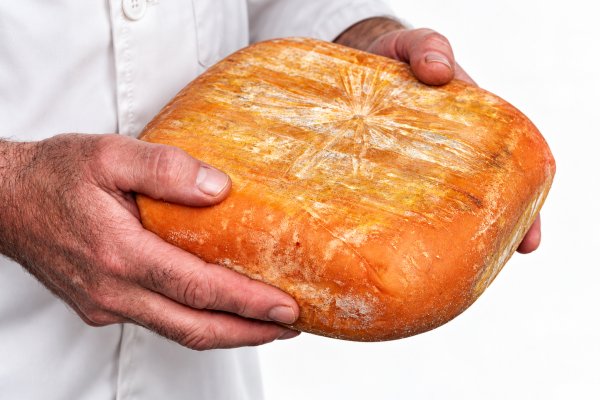
Half of the products investigated on the menus of restaurants, hotels and rural tourism establishments in the Balearic Islands show some form of irregularity. This is one of the main conclusions of inspections carried out during 2026 by the Regional Ministry of Agriculture, Fisheries and the Natural Environment, which identified 133 non-compliant products out of the 264 examined, representing 50.4%, compared with 36% recorded the previous year.
The figures were presented during a meeting of the Coordination Committee for the Food Supply Chain and the Promotion of Locally Produced Agricultural and Food Products, chaired by the Director General for Agri-food Quality and Local Products, Joan Llabrés.
The results represent the highest percentage of irregularities detected since these inspections began in 2021. Between 2023 and 2025, the rate had remained between 35% and 37%, but this year it has risen considerably.
In total, 64 hospitality and catering establishments were inspected, with 264 products investigated and 40 administrative proceedings initiated.
Local products among the main irregularities
One of the most concerning aspects of the findings is the presence of food advertised as locally produced when it actually comes from other regions.
Among the cases identified were tomatoes presented as Menorcan that had been grown in Barcelona or Navarre, potatoes marketed as originating from Ibiza that actually came from Granada, and apricots advertised as being from Porreres that originated in Murcia.
Inspectors also found juices advertised as being made with oranges from Sóller that used fruit from other origins.
These practices directly affect the information provided to consumers, who may choose a particular product precisely because of its origin and its connection to a specific territory.
At the same time, they may harm local producers who comply with production, identification and marketing requirements and who must compete with food from other regions marketed under the same geographical identity.
Meat, wine and cheese under inspection
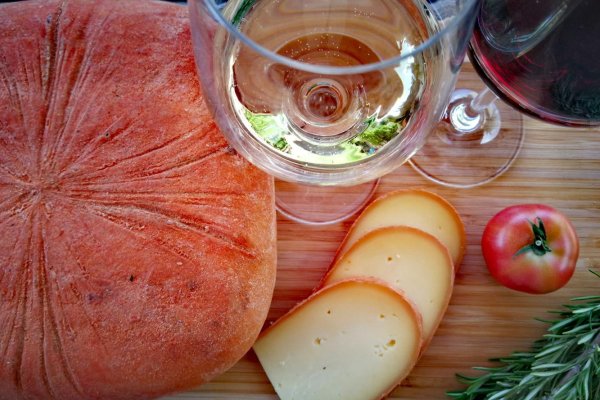
The meat and meat products category accounted for the highest number of irregularities among the three groups highlighted in the report, with 32 cases of non-compliance among 57 products investigated, equivalent to 56.1%.
For wines from the Balearic Islands, 20 cases of non-compliance were detected among 52 products examined, representing 38.4%, while irregularities affected 17 of the 47 cheeses inspected, or 36.2%.
Among the most significant irregularities were menus advertising sobrassada made from black pig when the product had actually been prepared using meat from white pigs, or Mallorcan lamb that originated in Zamora.
Products marketed as organic without the corresponding certification were also identified.
Products bearing recognised quality designations were not exempt from these inspections.
Inspectors found cheeses advertised as Mahón-Menorca without being covered by the Protected Designation of Origin (PDO), ensaïmades presented as Mallorcan without the corresponding Protected Geographical Indication (PGI), and wines using geographical indications without proof of certification.
Other cases involved establishments advertising dishes prepared with olive oil from Mallorca when they were actually using oil from Málaga, or presenting honey originating from Castile or China as a local product.
A problem of commercial transparency
The findings highlight the importance of ensuring that restaurant menus accurately reflect the origin, composition and characteristics of the food being offered.
It should be emphasised, however, that the non-compliance detected does not necessarily imply food safety problems. In many cases, the irregularities concern commercial information, traceability or the improper use of protected designations.
Nor can the figure of 50.4% be extrapolated to all products served in restaurants across the Balearic Islands, as it refers exclusively to the foods investigated during the inspections.
Follow-up visits to 25 establishments with proceedings initiated during 2025 identified three cases of repeated non-compliance.
Infringements in the food supply chain
The Committee also examined inspections concerning commercial relationships within the agri-food sector.
During 2026, ten inspections were carried out in the carob, almond and meat sectors, covering 28 commercial relationships.
Of these, eight showed non-compliance, and 70 infringements were identified, mainly relating to payment deadlines, the absence of contracts and other administrative matters.
Meanwhile, 22 food products originating from non-EU countries were investigated, revealing 51 infringements, of which 49 concerned labelling issues and two related to product composition.
These actions resulted in ten proposed penalties and the seizure of a consignment of goods.
Among the cases investigated was a shipment of limes from Brazil in which clothianidin was detected, a pesticide substance not authorised for use in the European Union, although EU regulations permit certain residues within legally established limits.
More than two million euros to promote local products

Alongside the inspections, the Regional Ministry presented its assessment of the Local Product Promotion Plan, which is expected to close 2026 with budget expenditure of €2,032,853.24.
Of this amount, €1.28 million is allocated to promotion in the domestic market and approximately €495,000 to activities in international markets.
One of the main initiatives was the Bons Producte Local (Local Product Vouchers) campaign, which recorded 21,049 purchase transactions, 13,656 beneficiaries and the participation of 119 producers. Purchases associated with the campaign totalled €1.78 million, with €833,860 in vouchers redeemed.
The programme also included trade fairs, business meetings between producers and restaurateurs, and participation in events such as Wine Paris, Barcelona Wine Week, Alimentaria and Salón Gourmets.
For 2027, the authorities plan to continue these promotional initiatives, strengthen training for producers and future hospitality professionals, and improve information about the origin of food products.
The inspection results demonstrate that promoting local products must go hand in hand with effective monitoring of how they are commercially identified. The credibility of designations of origin and geographical references depends on consumers being able to trust that what appears on restaurant menus genuinely corresponds to the food served at their tables.


Latest posts
-
 Read more
Alaior’s Artisan Nougat Course Concludes with a Tasting of the Participants’ Creations
Read more22/11/2026Foodies on Menorca
-
 Read more
Balearic Islands Academy of Gastronomy Organises a Conference on the Potential of Menorca's Aristocratic Cuisine
Read more20/11/2026Foodies on Menorca
-
 Read more
Menorca's Island Council Allocates €15,000 to Promote and Strengthen Menorcan Olive Oil
Read more19/11/2026Foodies on Menorca
-
 Read more
More Than 40 People Learn to Make Artisan Turrón in Alaior with the Support of Foodies on Menorca
Read more17/11/2026Foodies on Menorca
- Publicitat

-
Publicitat



Sitemap
Cookies policy
Cookie settings
Legal notice
Privacy policy
 © Copyright 2018 - 2026